
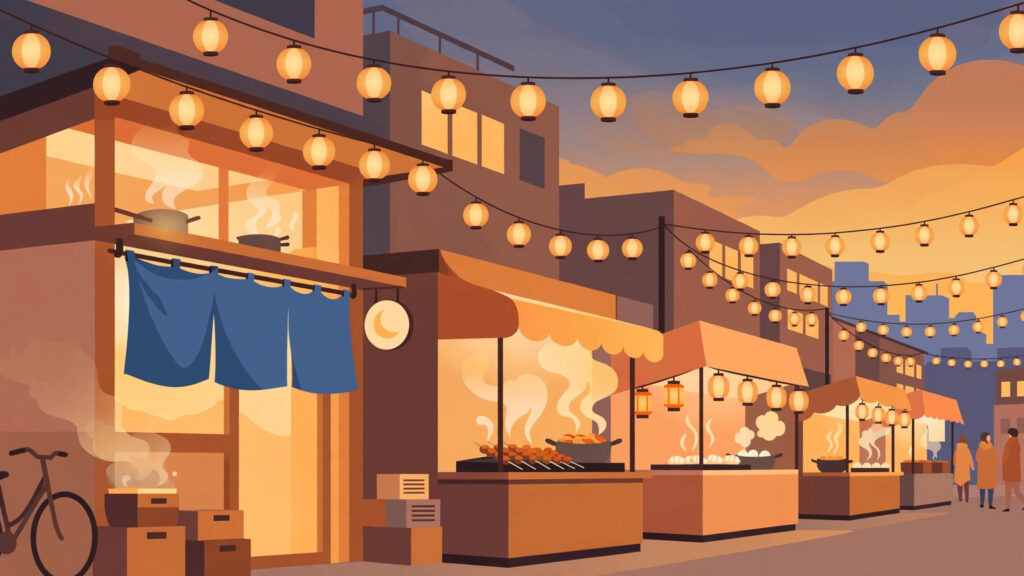
Halal Food in Tokyo: The Complete 2026 Guide for Muslim Travelers
Quick Answer
Tokyo is one of the easiest big cities in East Asia for Muslim travelers to eat well. Halal ramen shops, yakiniku restaurants, and South Asian eateries cluster in Asakusa, Shinjuku, Akihabara, and Ikebukuro, many displaying halal certification clearly. Convenience stores stock label-readable snacks, prayer rooms are increasingly common, and with a little planning you will eat exceptionally well.
Tokyo was not always an easy city for halal dining. A decade ago, Muslim travelers survived on a short list of South Asian restaurants and a lot of convenience-store onigiri. That era is over. The city now has halal-certified ramen shops with queues out the door, yakiniku (Japanese BBQ) restaurants serving certified wagyu, and a growing number of sushi counters offering halal or alcohol-free options. None of this happened by accident — Japan has been courting Muslim visitors for years, and the food scene is where that effort shows most deliciously.
This guide is built for the practical traveler: where to go, what to eat, how to read a label, where to pray, and what to say. No fluff, no paid placements — just a food lover’s map of halal Tokyo.
Why Tokyo Works for Muslim Travelers in 2026
A growing halal infrastructure
Japan’s tourism planners recognized years ago that Muslim travelers were an underserved market, and Tokyo responded the way Tokyo does everything: systematically. Halal certification bodies now work with restaurants across the city, major shopping districts list halal-friendly eateries on multilingual maps, and both Haneda and Narita airports have prayer rooms and halal food options. The result is a city where eating halal feels planned-for rather than improvised.
Certification you can actually read
One of Tokyo’s quiet advantages is signage discipline. Halal-certified restaurants here tend to display their certification prominently — on the door, on the menu, sometimes on the noren curtain itself. Many also carry English (and occasionally Arabic or Malay) explanations of exactly what is halal about their operation: certified meat suppliers, alcohol-free kitchens, separate cooking utensils. When a shop goes to that trouble, trust it — and when certification is unclear, the phrases later in this guide will help you ask.
The Best Areas for Halal Food
Tokyo is enormous, so base your eating around these clusters rather than crisscrossing the city.
Asakusa
Old Tokyo, and arguably the spiritual home of halal dining in the city. The streets around Senso-ji Temple host several halal ramen shops, South Asian restaurants, and Turkish eateries, many explicitly catering to Muslim tourists. It is the easiest neighborhood for a first-timer: walkable, well-signed, and full of options within a few blocks. Come hungry, and plan your visit around the temple — morning sightseeing, long lunch, afternoon snacking.
Shinjuku
Tokyo’s busiest hub hides a strong halal lineup. The area around Shinjuku Station — particularly the east side — has halal yakiniku restaurants, ramen shops, and Middle Eastern eateries tucked between the department stores. It is also a practical base: if you are staying near Shinjuku, you will never be far from a halal dinner. The late-night options here are better than average, useful after a long day.
Akihabara
Electric Town surprises people. Between the electronics shops and arcades, you will find halal ramen counters and kebab-style eateries catering to the area’s international crowd. It is a great lunch stop worked into a sightseeing day — eat, then spend the afternoon in the arcades and figure shops. Portions at the ramen counters here tend to be generous.
Ikebukuro
The international quarter. Ikebukuro’s streets hold South Asian grocery stores, halal butchers, and restaurants serving Pakistani, Indian, Bangladeshi, and Turkish food — the kind of places where the menu needs no translation for a desi traveler. If you are craving familiar flavors after days of Japanese food, this is your reset button. The grocery stores are also worth a visit for snacks and ingredients.
Ueno (bonus stop)
Often overlooked, Ueno combines museums, a lovely park, and a solid row of halal-friendly eateries near the station, including South Asian restaurants and kebab shops. It pairs naturally with a museum morning.
What to Eat: Halal Food Types in Tokyo
Halal ramen
This is the headline act. Several Tokyo ramen shops now operate with halal certification, serving chicken-based or seafood-based broths (traditional tonkotsu pork broth is off the table, but you will not miss it). The bowls are the real deal — springy noodles, rich broth, jammy eggs, nori. Expect queues at the famous ones; go at off-peak hours (before noon or mid-afternoon) to skip the line. Many shops offer ticket-machine ordering with English options.
Yakiniku (Japanese BBQ)
Grilling your own meat at the table is one of Japan’s great food experiences, and halal yakiniku restaurants — some serving certified halal wagyu — make it accessible. The drill: order a set, grill thin slices quickly over the charcoal or gas grill, dip in tare sauce. It is interactive, fun, and excellent for groups. Book ahead for dinner, especially on weekends.
Sushi and seafood options
Raw fish is inherently halal, but two caveats apply: the rice seasoning sometimes contains mirin (a sweet rice wine), and cross-contact happens in busy kitchens. A growing number of counters address this directly with alcohol-free preparation on request — ask using the phrases below. When in doubt, the South Asian and Turkish restaurants are the zero-stress fallback.
South Asian and Middle Eastern restaurants
The backbone of halal Tokyo. Pakistani, Indian, Bangladeshi, Turkish, and Arab restaurants cluster in Ikebukuro, Shinjuku, and Asakusa, serving everything from biryani and karahi to shawarma and falafel. Quality is generally high — many are run by long-settled immigrant families cooking for their own communities, which is always the best sign. Prices are typically gentler than Japanese restaurants too.
Halal wagyu and special-occasion dining
A handful of restaurants serve certified halal wagyu beef — as steak, yakiniku, or even halal wagyu ramen. It is a splurge, but for many travelers it is the meal of the trip. These places usually require reservations and clearly advertise their certification; confirm when booking.
Konbini Finds: Eating Halal at Convenience Stores
Japan’s convenience stores (konbini) are legendary, and with label-reading skills they become a halal traveler’s best friend. Here is how to work them:
- Learn the red-flag ingredients. Pork shows up as buta or ton; alcohol as arukoru. Many travelers photograph a small cheat-sheet of these characters and check labels against it.
- Onigiri (rice balls): salmon (shake), tuna mayo, and kelp fillings are usually safe bets — but always check, since recipes vary by chain and season.
- Bread and pastries: many plain breads and sweet buns are fine; check for pork-derived shortening or alcohol-based flavorings.
- Drinks: teas, coffees, and juices are straightforward; be cautious with amazake (sweet sake) and anything labeled with alcohol content.
- When unsure, ask staff. Show them the phrase “Butaniku to arukoru wa haitte imasu ka?” (Does this contain pork or alcohol?) — konbini staff are famously helpful.
A practical rhythm many travelers settle into: konbini breakfast, restaurant lunch, restaurant dinner. It keeps costs sane and mornings flexible.
Apps and Tools Worth Downloading
- Halal restaurant finder apps: several well-known apps map halal-certified and Muslim-friendly restaurants across Tokyo with reviews from fellow travelers. Download one before you fly and save your shortlist offline.
- A translation app with camera mode: point it at a Japanese menu or ingredient label and get an instant translation. This single tool removes most dining anxiety.
- A transit app: Tokyo’s train network is magnificent and mildly terrifying; a good routing app is non-negotiable.
- A prayer-time and Qibla app: set it to Tokyo and you will always know when and which way to pray.
Key Japanese Phrases for Halal Dining
You do not need fluency — these five phrases cover nearly every situation:
- Halal desu ka? — Is it halal?
- Butaniku wa haitte imasu ka? — Does it contain pork?
- Arukoru wa haitte imasu ka? — Does it contain alcohol?
- O-susume wa nan desu ka? — What do you recommend? (Use after confirming halal — staff love this question.)
- Gochisousama deshita. — Thank you for the meal. (Say it when leaving; it delights everyone.)
Show the phrase on your phone screen if pronunciation feels shaky — written Japanese works just as well.
Prayer Spaces: What to Expect
Tokyo will not hand you a mosque on every corner, but the situation is far better than many travelers expect. Major airports, large department stores, and several shopping districts provide dedicated prayer rooms — often clean, quiet, and clearly signed in English. Some halal restaurants, particularly the larger ones, offer a small prayer area; it never hurts to ask. For the five daily prayers, plan around your sightseeing: malls and airports midday, your hotel morning and evening. A portable prayer mat and a Qibla app in your daypack make you fully self-sufficient.
Etiquette Tips for Muslim Diners in Japan
- Asking is normal. Japanese hospitality culture respects careful questions about food. Asking about ingredients is not rude — it is attentive, and staff respond warmly.
- Chopstick basics matter. Never stick chopsticks upright in rice (it resembles funeral incense) and avoid passing food chopstick-to-chopstick.
- Slurping ramen is polite. It signals enjoyment. Go for it.
- Tipping is not done. Do not tip — it can genuinely confuse staff. Excellent service is simply the standard.
- Cash still rules in small shops. Many beloved ramen counters and family restaurants are cash-only; keep yen on hand.
Sample 3-Day Halal Food Itinerary
Day 1 — Asakusa: old Tokyo, halal ramen
Morning at Senso-ji Temple and Nakamise shopping street. Lunch: halal ramen near the temple — arrive before noon to beat the queue. Afternoon: Sumida river walk. Dinner: South Asian restaurant in Asakusa for familiar comfort food. Evening prayer back at the hotel.
Day 2 — Shinjuku and Akihabara: BBQ and electric town
Late morning in Akihabara — arcades, electronics, and a halal ramen or kebab lunch. Afternoon: transit to Shinjuku for department-store browsing (check for prayer rooms). Dinner: the big one — halal yakiniku, booked in advance. This is your wagyu night if the budget allows.
Day 3 — Ikebukuro and Ueno: familiar flavors, museums
Morning museums in Ueno, lunch at a halal-friendly eatery near the station. Afternoon: Ikebukuro — browse the South Asian grocery stores, stock up on snacks, and have an early Pakistani or Turkish dinner. It is the perfect closing meal: the flavors of home, in the middle of Tokyo.
Frequently Asked Questions
Is Tokyo good for halal food in 2026?
Yes — it is one of the best major cities in East Asia for Muslim travelers. Halal-certified ramen shops, yakiniku restaurants, and South Asian eateries cluster in Asakusa, Shinjuku, Akihabara, and Ikebukuro, with clear certification signage and growing prayer-room infrastructure.
How do I find halal restaurants in Tokyo?
Use a halal restaurant finder app with offline maps, look for certification displayed at shop entrances, and ask at your hotel concierge. The clusters in Asakusa and Ikebukuro are the easiest starting points for first-timers.
Can I eat sushi as a Muslim traveler in Tokyo?
Raw fish itself is halal, but watch for mirin (sweet rice wine) in the seasoned rice and cross-contact in busy kitchens. Some counters offer alcohol-free preparation on request — ask with “Arukoru wa haitte imasu ka?” When unsure, certified halal restaurants are the stress-free choice.
Are convenience stores useful for halal food?
Very. Learn to spot pork (buta/ton) and alcohol (arukoru) on labels, stick to simple items like salmon onigiri and plain breads, and use a camera-translation app. Many travelers do konbini breakfasts and restaurant lunches and dinners.
Where can I pray in Tokyo?
Both airports, many large department stores, and several shopping districts have dedicated prayer rooms. Some larger halal restaurants offer prayer space — ask politely. Carry a portable prayer mat and a Qibla app, and plan midday prayers around malls.
Tokyo rewards the prepared traveler enormously. Learn five phrases, download two apps, cluster your days by neighborhood — and you will eat some of the best food of your life, fully at ease. For more food-travel inspiration, browse our travel eats guides and food guides — and if you run a restaurant back home, our restaurant marketing playbook travels well too.

I’m Lila Spoonbelle, your host on this flavorful ride through food, fun, and fearless puns. Let’s turn every bite into a burst of laughter!